
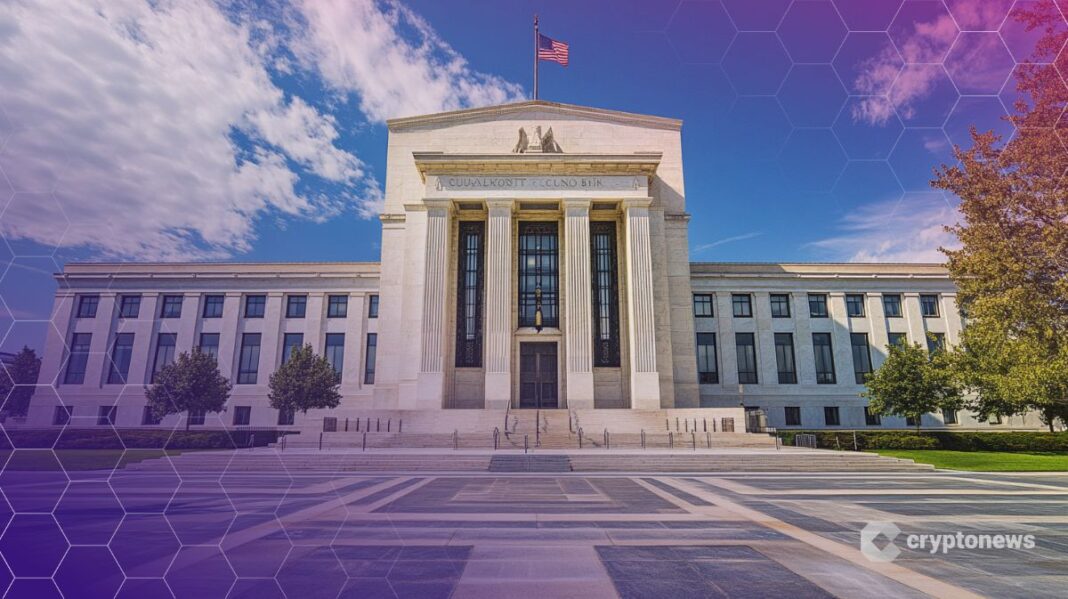

In a significant regulatory development, the Denver-based United States Court of Appeals has affirmed the Federal Reserve System’s authority to reject Custodia Bank’s application for a master account. This ruling represents a substantial setback for the digital asset-focused financial institution’s operational capabilities within the traditional banking framework.
Master accounts serve as critical infrastructure within the Federal Reserve system, enabling direct access to payment networks and settlement services. Without this access, Custodia Bank remains dependent on intermediary financial institutions to process transactions, potentially limiting its operational efficiency and increasing compliance complexities.
Legal analysts suggest this decision reinforces the Federal Reserve’s discretionary power in determining membership eligibility within its banking system. The ruling underscores ongoing regulatory caution regarding the integration of digital asset enterprises with conventional financial infrastructure, highlighting persistent concerns about risk management and compliance standards in the evolving cryptocurrency sector.
The court’s endorsement of the Fed’s position establishes meaningful precedent for future cases involving non-traditional financial entities seeking direct access to federal banking services. This development occurs amid broader regulatory scrutiny of digital asset institutions and their integration with established financial systems, potentially influencing how similar applications from cryptocurrency-focused banks are evaluated moving forward.