
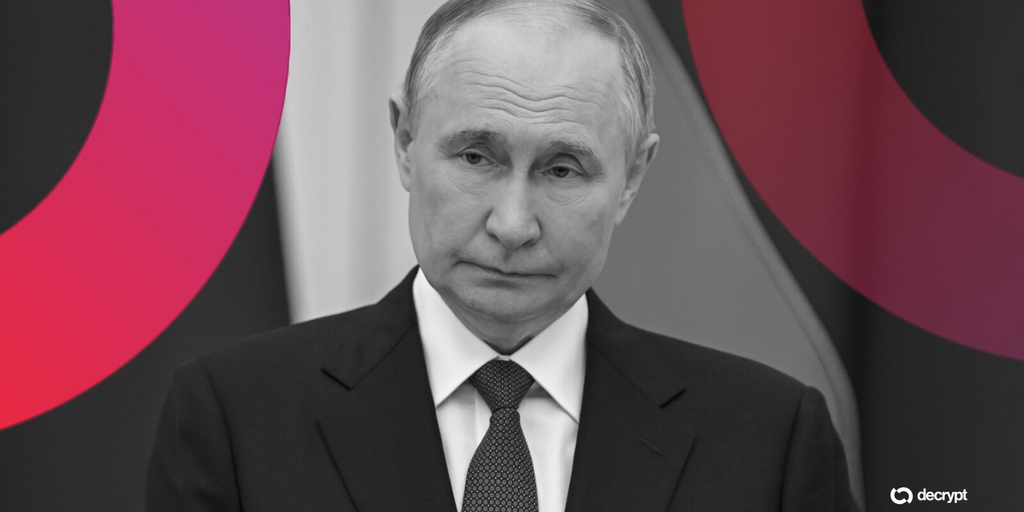

Russian President Vladimir Putin has publicly confirmed the successful testing of the Poseidon nuclear-capable drone, a strategic weapon system designed to deploy radioactive tsunamis against coastal targets. The underwater vehicle, capable of carrying megaton-class thermonuclear warheads, represents a significant escalation in Russia’s strategic deterrent capabilities, though defense analysts question the operational readiness behind the announcement.
Military experts observing the development note that while the Poseidon system theoretically poses unprecedented threats to naval bases and coastal infrastructure, Putin’s declaration appears primarily aimed at geopolitical signaling rather than demonstrating deployable technology. The weapon’s purported ability to bypass existing missile defense systems through underwater trajectories adds complexity to global nuclear deterrence equations.
Western intelligence agencies continue monitoring the program’s progress, with several analysts suggesting the public disclosure serves multiple strategic purposes: reinforcing Russia’s great power status during ongoing geopolitical tensions, potentially influencing arms control negotiations, and testing international response thresholds. The Poseidon system—first revealed in 2015—reportedly underwent preliminary testing in Arctic waters, though independent verification of operational capabilities remains limited.
While the technological claims warrant serious attention from defense planners, the current consensus among strategic analysts indicates this development represents psychological warfare elements within broader nuclear posturing, rather than immediate changes to existing security paradigms. The international community continues assessing the practical implications as more technical data becomes available.