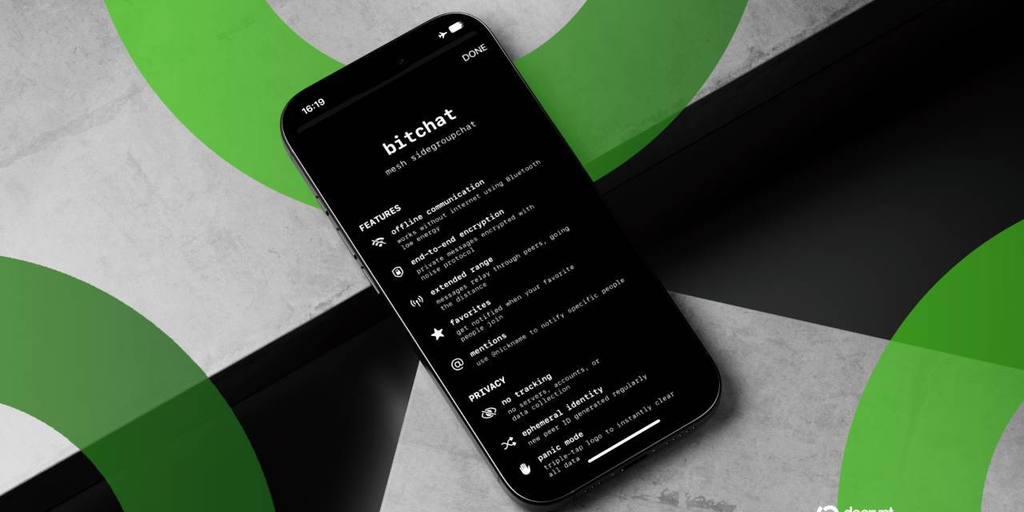

As Hurricane Melissa disrupts traditional communication infrastructure across Jamaica, the decentralized messaging application Bitchat has surged to the top of the nation’s app store charts. The platform’s innovative Bluetooth mesh networking technology has proven critically valuable during the emergency, enabling users to maintain communication channels despite widespread cellular and internet outages.
Bitchat’s architecture transforms individual mobile devices into interconnected nodes that relay messages through proximity-based Bluetooth connections. This creates resilient peer-to-peer networks that bypass conventional telecommunications infrastructure, allowing information to propagate through communities even when standard communication systems fail.
During the hurricane’s peak intensity, when most cellular towers and internet services became inoperable, Jamaican residents increasingly turned to Bitchat for emergency coordination, status updates, and connecting with nearby community members. The application’s ability to function without internet connectivity or cellular service has demonstrated the practical value of decentralized communication systems during natural disasters.
The surge in Bitchat’s popularity highlights growing recognition of alternative communication technologies that can maintain functionality during infrastructure failures. As climate-related emergencies become more frequent, such resilient communication tools may see increased adoption in regions vulnerable to extreme weather events.