
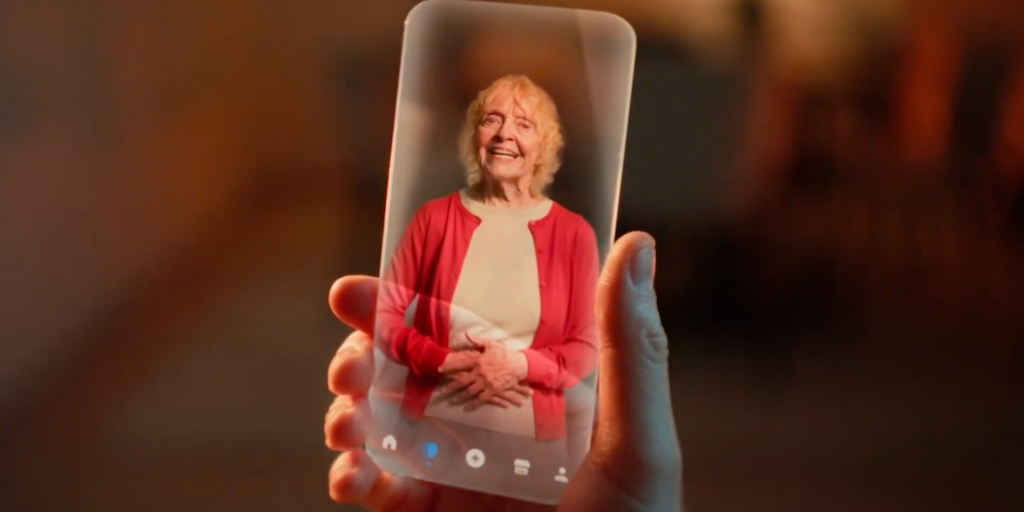

Technology firm 2Wai has unveiled its controversial HoloAvatar platform, enabling users to generate interactive digital recreations of deceased individuals using minimal video footage. The service transforms brief recordings into dynamic avatars capable of simulated conversations, raising significant ethical questions within the digital ethics community.
Privacy advocates and technology ethicists have expressed alarm regarding consent protocols, noting that the deceased cannot authorize the commercial use of their likeness. The platform’s operation highlights growing concerns about posthumous digital rights and the potential exploitation of emotional vulnerability.
Industry analysts observe that this technology enters legally ambiguous territory regarding personality rights inheritance and digital legacy management. The emergence of such services coincides with increasing regulatory attention toward synthetic media applications and their societal implications.
Mental health professionals have additionally cautioned about potential psychological impacts, suggesting that such recreations might complicate natural grieving processes. The commercial aspect of memorializing relationships through paid services further intensifies ethical scrutiny around monetizing personal loss.
As synthetic media technology advances, legal frameworks struggle to maintain pace with innovations that challenge conventional understanding of consent, privacy, and digital immortality. The controversy surrounding HoloAvatar underscores the need for comprehensive guidelines governing posthumous digital representation.