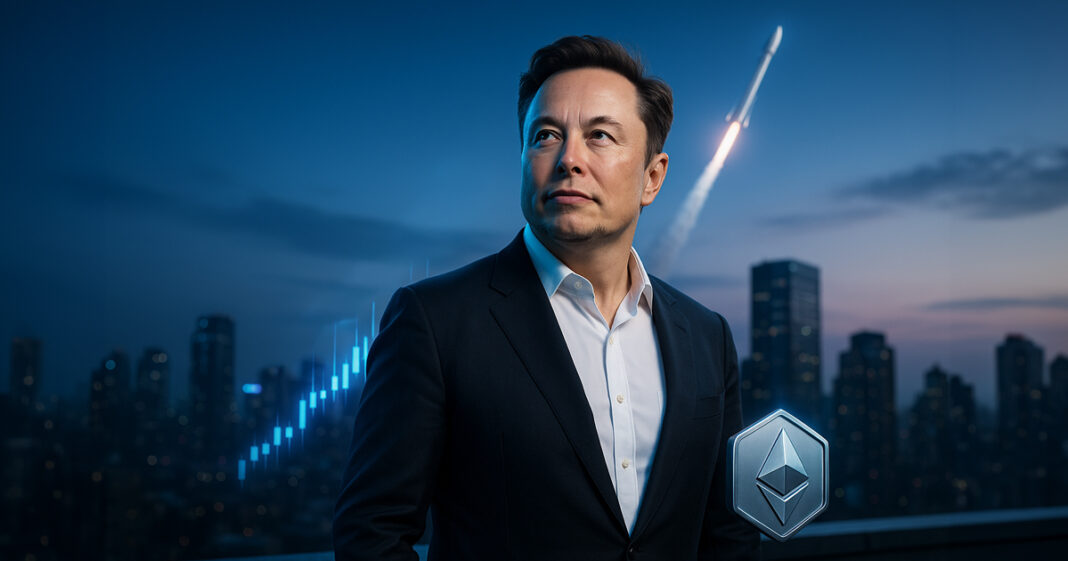

As global markets approach unprecedented valuation thresholds, the symbolic race to a $1 trillion market capitalization spotlights two contrasting paradigms of economic influence. On one hand, individual entrepreneurs like Elon Musk represent concentrated power capable of rivaling national economies through corporate empires. Conversely, decentralized networks like Ethereum embody a distributed model of value creation, echoing Satoshi Nakamoto’s vision of democratized financial systems through blockchain technology.
This emerging economic landscape raises fundamental questions about power distribution in global finance. Traditional centralized structures face competition from transparent, algorithmically governed networks that operate without singular control points. Ethereum’s smart contract ecosystem demonstrates how decentralized protocols can facilitate global transactions, digital asset creation, and programmable money without corporate intermediaries.
Market analysts observe that crossing the trillion-dollar threshold by either entity would signal different futures for economic organization. While corporate achievements reflect individual entrepreneurial success, decentralized network milestones represent collective technological advancement. The evolving competition between these models continues to reshape how value is created, stored, and transferred across global financial systems, with profound implications for economic sovereignty and financial inclusion worldwide.