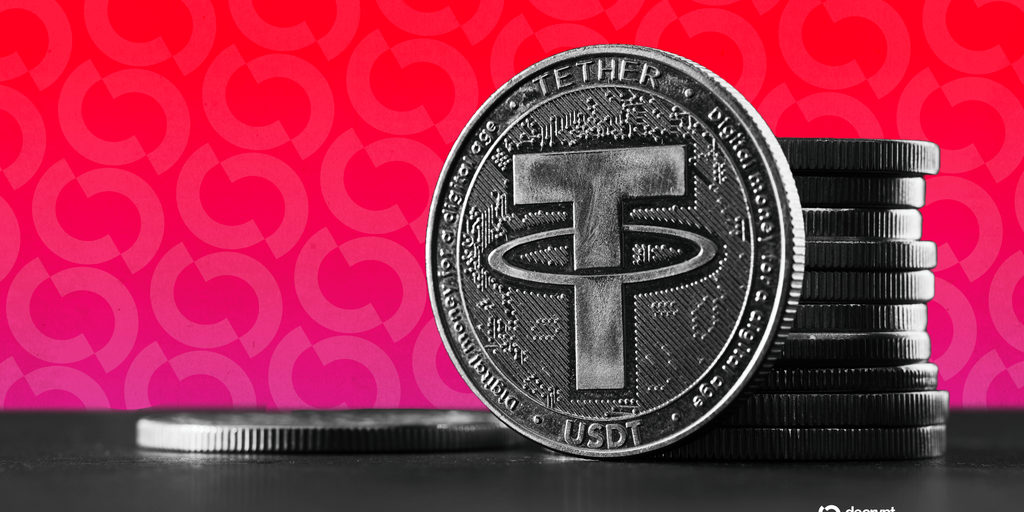

S&P Global Ratings has revised its assessment of Tether’s USDT stablecoin, assigning a ‘Weak’ stability rating primarily due to concerns over its Bitcoin holdings. The rating agency highlighted potential vulnerabilities in USDT’s stability framework, emphasizing that significant exposure to Bitcoin could pose risks if the cryptocurrency experiences substantial price volatility. This marks the first time a major financial ratings institution has formally expressed reservations about Tether’s reserve composition in relation to Bitcoin.
In response, Tether’s leadership has strongly contested the downgrade, maintaining that their stablecoin operations remain robust and adequately collateralized. The company reiterated its commitment to maintaining USDT’s peg to the U.S. dollar through diversified reserve assets and robust risk management practices.
The development comes amid increasing regulatory scrutiny of stablecoin operations globally, with particular focus on reserve transparency and asset quality. Market analysts suggest this rating action could influence institutional adoption of stablecoins and prompt further examination of reserve management practices across the digital asset industry.
Despite the downgrade, USDT continues to maintain its position as the largest stablecoin by market capitalization, with daily trading volumes exceeding those of most traditional financial instruments. The situation underscores the evolving nature of risk assessment in the digital asset ecosystem and the growing importance of independent evaluations in this rapidly developing sector.