
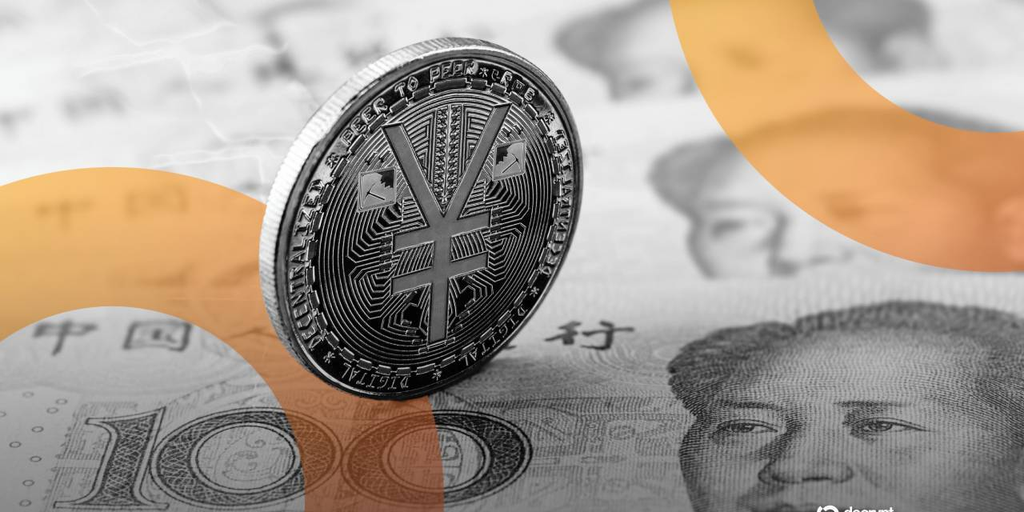

China continues to uphold stringent regulatory oversight of cryptocurrency activities within its borders, reinforcing its long-standing position on digital assets. The People’s Bank of China Governor recently emphasized concerns regarding potential sovereignty risks associated with decentralized financial systems, underscoring the nation’s cautious approach to cryptocurrency adoption.
This regulatory stance emerges against a backdrop of growing stablecoin integration across Asian financial markets. Neighboring jurisdictions are progressively incorporating dollar-pegged digital currencies into their financial ecosystems, creating a notable divergence in regional digital asset strategies.
Meanwhile, Chinese enterprises are actively pursuing cryptocurrency licensing opportunities in offshore financial hubs, particularly through Hong Kong’s established regulatory framework. This strategic movement allows Chinese firms to participate in digital asset markets while operating within compliant international jurisdictions.
The contrasting approaches highlight the complex regulatory landscape shaping Asia’s digital economy. While mainland China maintains its conservative position, the broader Asian region demonstrates increasing openness to regulated cryptocurrency instruments, particularly stablecoins that offer price stability compared to more volatile digital assets.
Market analysts observe that this regulatory dichotomy may influence future cryptocurrency innovation patterns across Asia, with Hong Kong potentially serving as a strategic gateway for Chinese participation in global digital asset markets.