
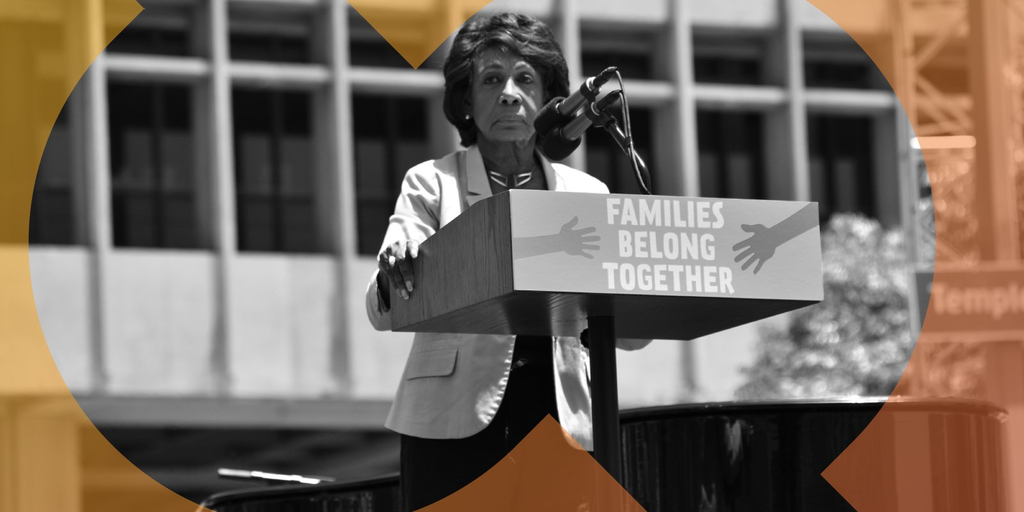

In a striking political development, Representative Maxine Waters has issued a forceful condemnation of the presidential pardon granted to Binance founder Changpeng Zhao. The controversial decision has sparked significant debate across political circles and regulatory bodies, raising questions about the appropriate relationship between government authorities and cryptocurrency industry leaders.
Waters, who serves as Ranking Member of the House Financial Services Committee, characterized the pardon as deeply troubling, suggesting it undermines regulatory enforcement efforts and establishes a dangerous precedent for cryptocurrency accountability. The pardon has drawn attention to the complex intersection of digital asset regulation and executive power, with critics arguing it could weaken compliance standards across the blockchain sector.
The development comes amid ongoing global efforts to establish comprehensive regulatory frameworks for cryptocurrency exchanges and digital asset platforms. Industry observers note that the pardon has intensified discussions about how governments should approach enforcement actions against major cryptocurrency figures, particularly those leading globally significant trading platforms.
This incident has prompted renewed calls for clearer guidelines governing executive interventions in financial technology enforcement cases. Legal experts suggest the situation may influence future regulatory approaches to cryptocurrency compliance and international cooperation in digital asset oversight.